






















How Does Paysafecard Compare to PayPal?
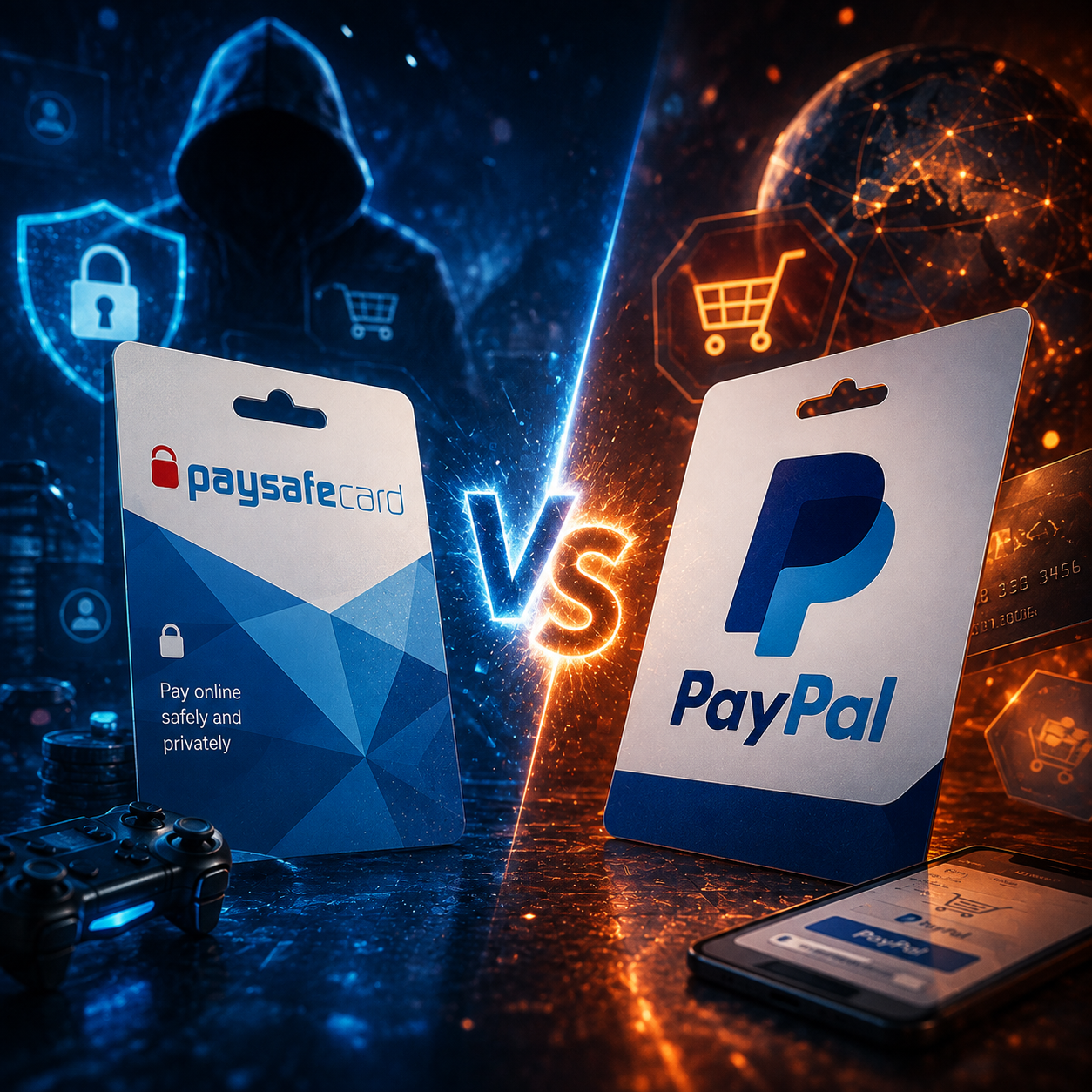
This Paysafecard vs PayPal comparison looks at privacy, account requirements, fees, refund protection, merchant coverage, and other factors to help you decide which payment method is more appropriate. Both can be used for online purchases, but they operate in very different ways.
Paysafecard is a prepaid payment method based on a fixed value or balance. PayPal, on the other hand, is an online digital wallet that typically connects to a bank account, debit card, or credit card. Both methods can be used for online purchases, but the better choice depends on how much control you want over your spending, the merchants you need to use, whether you need recurring payments, and how important refund protection is to you.
Method of Operation
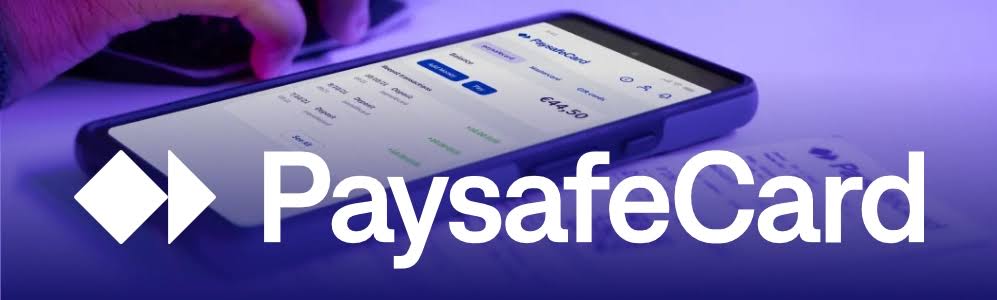
Paysafecard is most commonly used with a 16-digit PIN. In certain regions, it can also be used with a balance in a myPaysafe account. To make a purchase, the user selects Paysafecard on a participating checkout page and enters the PIN or selects the available balance.
You can compare different Paysafecard vouchers and choose one based on the value required for your purchase.
PayPal is an online wallet used to fund purchases. An account is created, and a bank account, debit card, or credit card can be connected to fund the PayPal wallet. PayPal processes purchases through the online checkout and usually prevents merchants from seeing the user’s full card or bank account information.
Paysafecard uses prepaid funding, while PayPal usually draws funds from a linked account. Paysafecard can be useful for setting spending limits, while PayPal may be more suitable for larger or repeated purchases.
Paysafecard vs PayPal for Privacy and Account Requirements
Using Paysafecard means that you do not have to share your bank or card details directly with a merchant. Payments can be made with a voucher at participating merchants. However, Paysafecard is only partially anonymous. The merchant and payment processor may still collect transaction details.
Depending on the country, transaction value, or activity on the account, additional verification may be required. Users should also check the local terms that apply to voucher purchases and account balances.
PayPal generally provides another layer of separation between the buyer and seller. PayPal does not normally pass the user’s full bank account or card details to the merchant. However, PayPal requires an account, and identity or funding-source verification may be required before the account can be used fully.
Paysafecard may be better suited when:
- You want to use a fixed prepaid amount.
- You do not want to connect your bank account directly to a merchant.
- You are making a one-time purchase.
- You want to keep online spending separate from your main account.
PayPal may be better suited when:
- You shop online repeatedly.
- You already have a verified account.
- You want to use a linked debit or credit card.
- You want to manage different payment methods in one account.
Paysafecard vs PayPal: Fees and Exchange Rates
The cost of using either service varies depending on the country, transaction type, merchant, and currency.
A Paysafecard voucher normally has a fixed value. However, the final cost may be affected by currency conversion, merchant rules, account terms, and possible service fees. Some local products may also have account maintenance conditions if a balance remains unused. Terms can change, so check the current details before purchasing.
PayPal may not charge the buyer a standard fee for an eligible purchase made in the same currency. However, currency conversion, cross-border transactions, withdrawals, transfers, or other services may involve additional fees. The exchange rate used by PayPal may also differ from the rate provided by a bank or card issuer.
Before making a payment, check:
- The currency and conversion rate
- Whether the merchant charges a payment surcharge
- Whether the transaction is domestic or international
- Whether taxes or other service fees apply
PayPal may be more convenient for larger purchases because it can draw funds from a linked payment source. If a purchase costs more than the available Paysafecard balance, the payment may be rejected unless the merchant supports another payment method.
Refund Protection
Paysafecard does not generally provide the same type of refund protection as PayPal. If a purchase needs to be refunded, the buyer will usually need to contact the merchant first. The process can vary depending on the merchant’s policy, local laws, and how the payment was completed.
A prepaid voucher should be treated more like cash than a traditional card payment. Once the PIN has been shared or redeemed, recovering the value may be difficult. Never send a Paysafecard code to a stranger, and keep the receipt until the purchase has been completed successfully.
PayPal may provide a dispute process and Buyer Protection for eligible purchases. If an item is not received or is significantly different from its description, the buyer may be able to open a case through PayPal.
This protection does not apply automatically to every transaction. Exclusions, time limits, eligibility requirements, and other terms may apply. Before relying on PayPal protection, review the conditions for the specific purchase.
If refund support is important to you, you can also review other Payment Gift Cards and compare their terms before selecting a payment method.
Merchant Coverage and Recurring Payments
PayPal is generally accepted by a broad range of online retailers, travel providers, subscription services, marketplaces, and digital platforms. It is also useful for recurring payments because a merchant can request future charges through the user’s PayPal account.
Paysafecard has more limited merchant coverage. It is accepted only by participating merchants, and availability can differ by country. A website that accepts Paysafecard in one location may not offer it in another.
The payment method may also be limited to one-time purchases rather than subscription or renewal payments. This is an important Paysafecard vs PayPal difference when comparing software, gaming, streaming, and membership plans.
When a service automatically charges the same account every month, PayPal is usually easier to use. Paysafecard may be more appropriate when the service offers prepaid access or allows the user to make a separate payment for each billing period.
Do not assume that a payment method supports automatic renewal just because it appears on the initial checkout page. Always check the billing terms and renewal requirements.
When Paysafecard May Be the Better Choice
The ability to set and maintain a spending limit is one reason Paysafecard can be useful. If the merchant does not allow alternative payment methods, a fixed balance can help prevent an overspending purchase.
Paysafecard may be effective for:
- One-time digital purchases
- Downloadable content
- Game credit and in-game purchases
- Online services that accept prepaid payments
- Customers who do not want to use a bank card
- Spending limits set by parents or account holders
For gaming-related purchases, check Gaming Gift Cards and confirm that the selected product matches the intended region and platform.
Paysafecard may be less effective for purchases that require refunds, continuous payments, large balances, or extensive merchant coverage.

When PayPal May Be the Better Choice
Compared with Paysafecard, PayPal is usually more flexible for online shopping and digital services. It can be used with many different merchants and can draw funds from several linked payment sources.
PayPal may be preferable for:
- Monthly or yearly subscription services
- Online marketplaces
- Travel bookings
- More expensive purchases
- Purchases where dispute support is important
- Services that need automatic renewal
PayPal can be convenient when you do not want to enter your card details on every website. However, you still need to consider account verification, currency conversion, account access, and PayPal’s own terms.
For travel-related purchases, Travel Gift Cards can be another way to control spending without relying entirely on a digital wallet.
Other Options
The best payment method depends on the specific service and purchase. For some products, a merchant-specific gift card may be more suitable than either a prepaid voucher or a digital wallet.
Check Entertainment Gift Cards for subscriptions and digital entertainment, or Shopping Gift Cards for retail purchases. A Flexepin voucher may also be useful for certain online payments after confirming merchant and regional support.
You can compare these options through the wider gift card store before making a purchase.
The Bottom Line
Overall, Paysafecard vs PayPal depends on the type of purchase and the features that matter most to you. For prepaid spending, fixed budgets, one-time purchases, and limiting direct access to banking details, Paysafecard may be the better choice.
When you need automatic payments, wider merchant coverage, larger purchases, or eligible dispute support, PayPal may be more suitable. Check the currency, fees, account requirements, refund policy, and payment support for the specific merchant before completing a transaction.